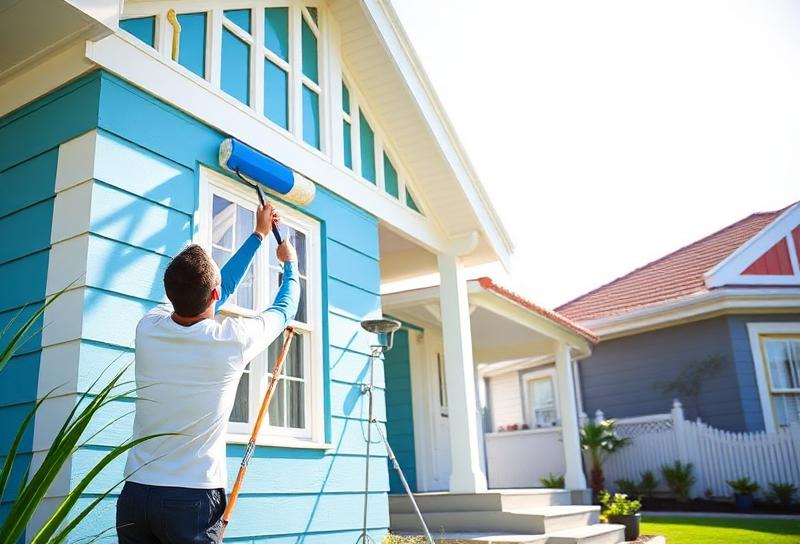
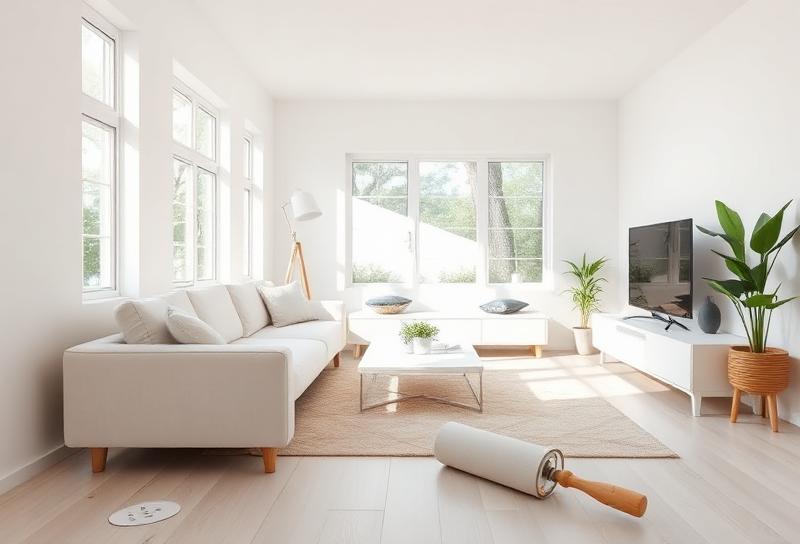
It is one of the most common questions we hear on site: can I use the leftover interior paint on my back fence, or the exterior on my hallway to make it tougher? The short answer is no — interior and exterior paints are engineered for very different jobs. Here is what actually sets them apart.
The Core Difference: Resins and Additives
All paint is essentially pigment (colour), binder (resin), solvent (water or spirits) and additives. The resin is what makes the paint flex, stick and resist weather.
**Interior paints** use resins tuned for scrub resistance, low odour, and a smooth finish. They are not designed to flex with temperature swings or resist UV.
**Exterior paints** use flexible acrylic resins that expand and contract with the wall, plus UV blockers, mildewcides and often a hydrophobic additive to shed rain.
UV Protection
Brisbane's UV index regularly hits extreme levels. Exterior paint contains pigment stabilisers and UV inhibitors that stop the colour fading and the binder degrading. Interior paint has none of this — it will chalk and fade within a single Brisbane summer if used outside.
Mildew and Mould
Exterior paint has anti-fungal additives baked in. Interior paint does not, which is why exterior paint is a better choice for exposed underhouse areas in Queenslanders even though it is technically an interior surface.
Toxicity and Off-Gassing
Because exterior paints carry biocides and stronger solvents, they typically off-gas more strongly. Using exterior paint inside a bedroom is not just unnecessary — it can produce prolonged VOC exposure. All quality interior paints today are low-VOC, and many are certified Sensitive Choice.
Scrub Resistance
Interior paint is engineered to be washed. Premium interior products can be scrubbed with a damp cloth without polishing. Exterior paint tends to burnish (develop a shine) if washed indoors, and shows brush strokes more.
Cost
Litre for litre, exterior paint costs 15-35% more than interior. This is not a marketing markup — it reflects the additives, resins and UV package inside.
When You Might Cross Over
There are two Brisbane-specific cases where we intentionally use exterior paint indoors:
1. **Exposed underhouse areas** on Queenslanders — semi-outdoor conditions with humidity.
2. **Wet-area ceilings** in tropical additions where an anti-mould exterior grade outperforms interior ceiling paint.
We rarely use interior paint outside, and never on a full exterior. It will fail in under two years.
Choosing the Right Product
Rather than guessing, work with a painter who can specify by area. On a typical Brisbane home, our team will use:
- **Dulux Wash & Wear** or **Haymes Ultra Premium** for interior walls
- **Dulux Ceiling Flat** for interior ceilings
- **Dulux Aquanamel** for interior trim
- **Dulux Weathershield** or **Haymes Solashield** for exterior walls
- **Dulux AcraShield** for roofs
Related Guides
See our interior painting tips, or read the full Brisbane cost guide. Ready to book? Try the live paint quote calculator.